
English at The Meadows
English teaching and learning enables us to communicate well. Reading is the key to unlocking the curriculum and gives us the power to discover new things for ourselves.

Reading at The Meadows
Our curriculum statement for reading explains our approach to teaching and learning.

|
How we teach reading | [pdf 196KB] |

|

Writing at The Meadows
You can learn about our approach to the teaching of writing here.
|
|
How we teach writing | [pdf 202KB] |
|
Our Reading Spine and Recommended Reading Lists
Our reading spine lists key texts shared and taught in each year group. Our reading lists provide suggested titles for each year group for home, shared and independent reading. We hope that you will find them helpful.
|
|
The Meadows Reading Spine - FS-KS1 | [pdf 115KB] |
|
|
|
The Meadows Reading Spine - KS2 | [pdf 107KB] |
|
|
|
Reception Reading List | [pdf 245KB] |
|
|
|
Year 1 Reading List | [pdf 269KB] |
|
|
|
Year 2 Reading List | [pdf 232KB] |
|
|
|
Year 3 reading list | [pdf 465KB] |
|
|
|
Year 4 reading list | [pdf 318KB] |
|
|
|
Year 5 reading list | [pdf 676KB] |
|
|
|
Year 6 reading list | [pdf 652KB] |
|

Introducing our Meadows Magazines!
Our journalism club members have been busy writing and we are proud to present our Meadows News magazines!
You can download them here.
We hope that you enjoy reading it and keeping up to date with what is happening. Our writers have done a fantastic job!
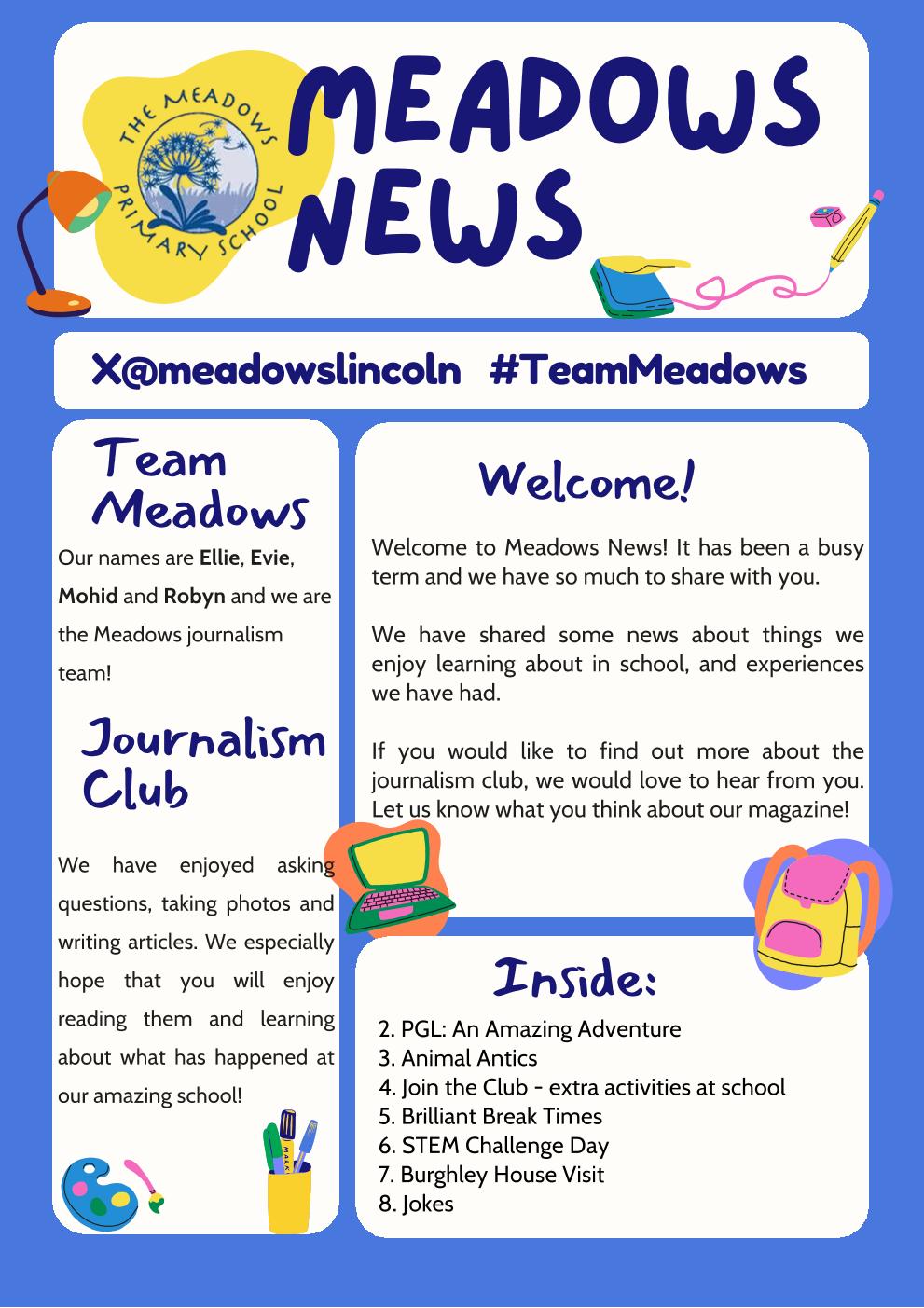


Our Magazine
Click here to access a digital version of our very first school newsletter, produced by the Journalism Club.
 |
Meadows News - Autumn Term 2023 |
| Digital version |

English
Communication and language development focuses primarily on developing an ability to communicate effectively, both orally and in written form. Therefore, our English curriculum includes reading, writing, speaking and listening, and the learning of a modern foreign language, French.
Author and illsutrator Karin Littlewood visited The Meadows and shared her tips for being a successful writer!

Learning from Authors
Local author Lydia Sanders joined children in Years 3 and 4 to talk about her series of books, 'herstories'. Each one tells the story of an influential woman from history. Lydia reviewed children's own historical writing and inspired them to keep learning and doing their best!
Curriculum Overviews for English
The documents below provide an overview of the teaching of English at The Meadows. We hope that you find them useful in supporting your child.
|
|
Reading Progression - The Meadows | [pdf 980KB] |
|
|
|
Genres Map KS1-KS2 | [pdf 257KB] |
|
|
|
Writing Progression - The Meadows | [pdf 1MB] |
|

Reading and Vocabulary Development
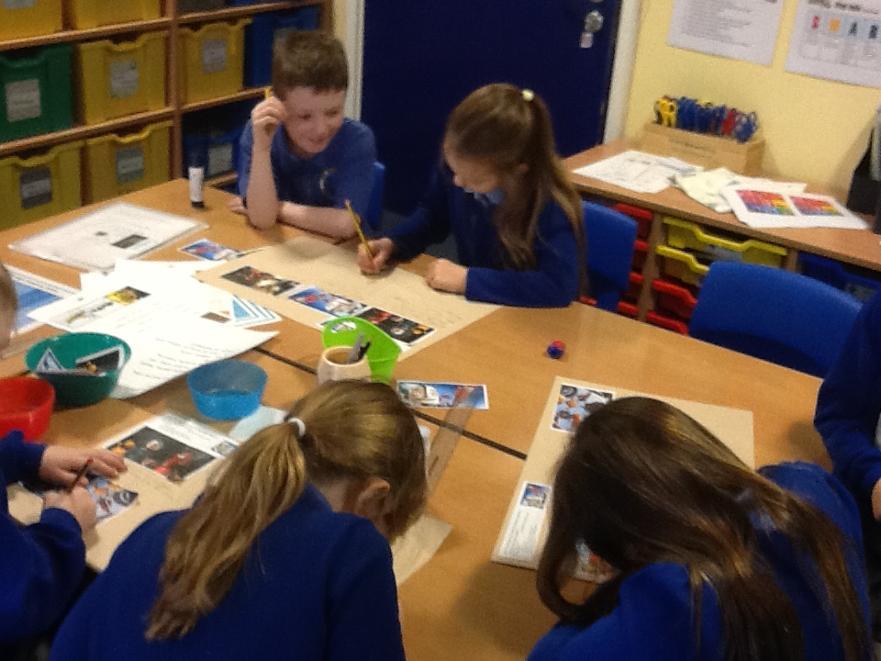
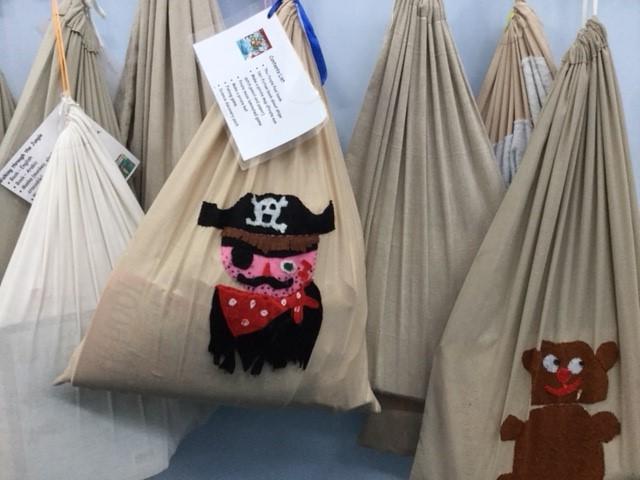
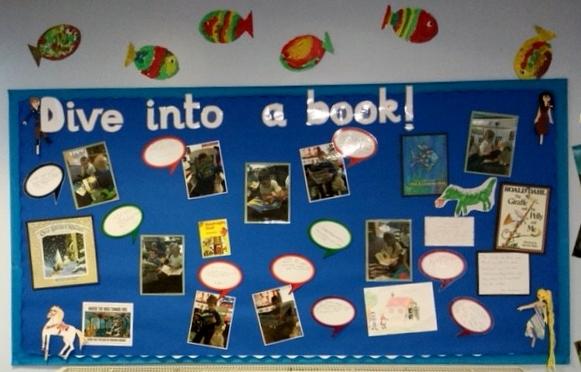
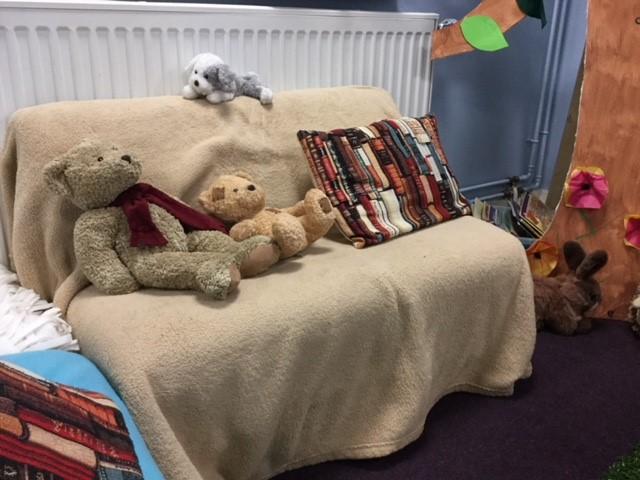
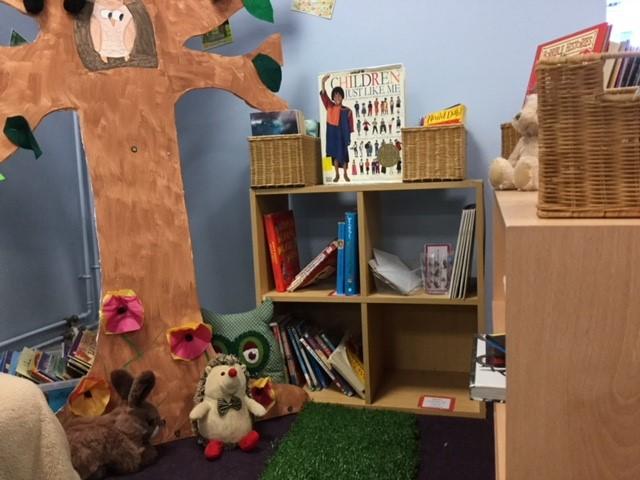
Reading is the key to the rest of the curriculum, and we strive to ensure that all children to become fluent readers. Our desire is for all children to develop a love of reading and extensive comprehension skills in both fiction and non-fiction. In the Early Years and Key Stage One, children read phonically-decodable reading books drawn from the Monster Phonics scheme as their starting point. This ensures that sounds learned can be practised within a context at a consistent pace. Children may also bring home other books to share with their families in order to foster a love of reading together. Our reading spine sets out a range of high-quality, challenging texts for each year group. All children have access to these, and they are used within the planning and teaching sequences throughout the school. They are also used to ensure that children meet a variety of new words and build a rich vocabulary. Early phonics teaching progresses from letter sounds to spelling rules, and an understanding of grammar is built upon throughout the primary years so that children are able to communicate clearly for a range of different purposes and audiences.
Writing
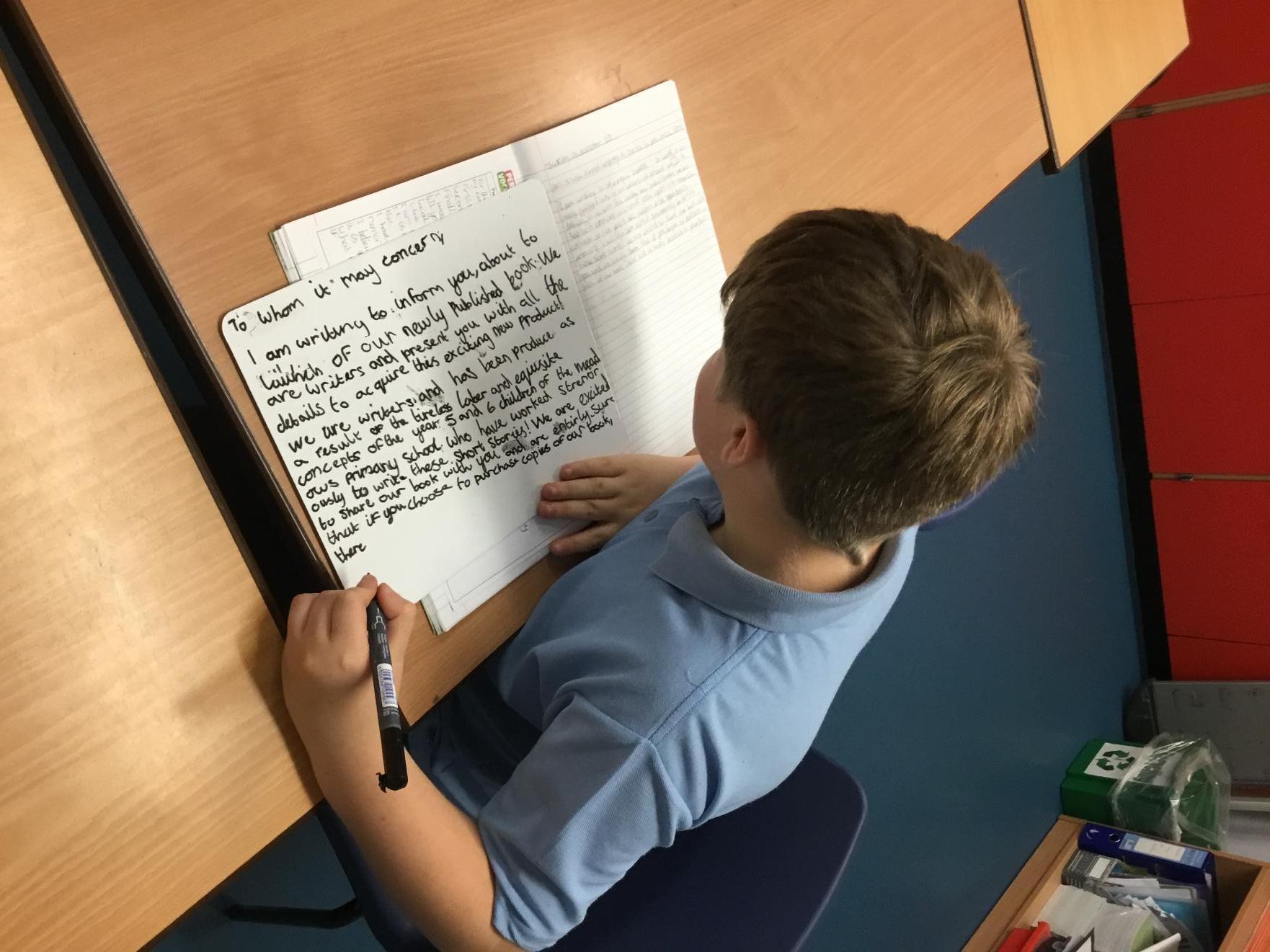
Children can only write successfully if they have something to say, and our approach emphasises good models for speaking and listening as a starting point. We encourage children to talk regularly about their learning, and to engage in discussion throughout sessions. The development of vocabulary is also essential, and we teach children how to gather new words, explore their meanings and use them in their own writing. After each sequence of learning, children complete a ‘Write Away’ task, which gives them an opportunity to write for real purposes and audiences. Teaching in reading and writing are linked, and we encourage children to ‘read as writers’ and ‘write as readers’ in order to fully understand and interact with text.

Meadows Magazine
We hope you will enjoy reading the latest issue of Meadows Magazine, produced by our Journalism Club. Children have enjoyed finding out about the latest news and researching interesting topics!
|
Meadows Magazine |
| Latest issue - Autumn 2024 |
Phonics, Spelling and Grammar
Encouraging children to be successful independent readers and writers is a fundamental part of learning at the Meadows. Children are equipped with all the skills they need to flourish in their reading and writing through fun, engaging and stimulating experiences. To ensure that all children develop into accomplished literary learners we continuously revisit and build upon vital concepts through our teaching of phonics, spelling and grammar.
Phonics
In the early learning of reading and writing, we place great emphasis on high quality phonics teaching. We follow the phonics programme Monster Phonics, which is a whole-class, systematic synthetic phonics programme. Children learn all the sounds they need in order to successfully decode, blend and segment unfamiliar words. These sounds are called phonemes and in order for children to develop as fluent readers, it is important that they can:
- hear and recognise each phoneme in isolation and within words
- relate each phoneme to letters or groups of letters (graphemes)
- recognise that words can be broken down (segmented) into sounds and rebuilt (blending)
At the Meadows, phonics teaching begins in Little Learners, where the children become attuned to the sounds around them and begin to develop oral blending and segmenting skills. During Reception and Key Stage One, the subsequent phonemes are introduced at pace through practical, enjoyable and active teaching strategies. Due to the fact that we value the importance of phonics as the foundation of successful reading and writing, we continuously revisit and consolidate the skills taught throughout Key Stage One, and into Key Stage Two. Children have access to phonetically-decodable reading books that link to the sounds being taught, enabling them to practise reading and saying sounds in context.
Spelling
We encourage the children to use their phonic knowledge to aid them with their spelling choices from the early stages of their learning journey. The children are constantly supported to hear the sounds in words they are trying to spell and make choices that are suitable to their stage. As the children become confident and secure with their sounds, we enable them to make more accurate choices in their spelling. Spelling patterns and rules are introduced using the Superhero Spelling programme to sequence and structure learning. We have high expectations of the children’s spelling and therefore we encourage the correct spelling of high frequency words throughout all areas of the curriculum.
Grammar
In order for the children to see themselves as accomplished writers, we value the importance of teaching grammar at The Meadows. It is vital that children learn a variety of writing structures and understand what does and does not make sense. This begins in Reception and Key Stage One with the introduction of the simple, but fundamental writing tools: capital letters, full stops and finger spaces. As the children progress throughout the school, they are introduced to the terminology of different words, sentence types and punctuation, as we believe this allows them to make informed writing choices. The children are confident at talking about the grammatical choices that they make and the impact that this has on their writing.
When the children come to the end of their learning journey at the Meadows, we aim to have provided them with the toolkit to be successful readers and writers.
|
|
Phonics Workshop for parents - Monster Phonics | [pdf 2MB] |
|
Monster Phonics
Learning to read is the key to unlocking the wider curriculum, and the foundation for life-long learning. We use Monster Phonics, a whole-class, systematic syntetic phonics programme. This approach ensures that children are introduced to new sounds in a systematic and enjoyable way. You can read more about the teaching of phonics by accessing our 'Curriculum and Assessment' section and clicking on 'English.' The videos provide an overview of some of the key principles of Monster Phonics.